
VRF / VRV Systems · Orlando & Central Florida
VRF / VRV Systems in Orlando
VRF (variable refrigerant flow) is a system type in which one outdoor unit serves multiple indoor units, with individual control of each space. We design and install VRF / VRV systems for commercial spaces and high-end homes when the project calls for it.
Call (689) 256-9939 · Text (689) 256-9939
- Florida Certified Mechanical ContractorCredential
- CMC1251881License number
- InsuredCoverage
- Workers’ CompCoverage
What it is
One outdoor unit. Many indoor units. Individual control.
In a conventional system, one piece of equipment usually serves one zone, or one large duct system serves a whole space. A VRF system works differently.
A single outdoor unit is connected by refrigerant piping to several indoor units. Each indoor unit serves its own space and has its own controls. The system varies the refrigerant flow to each one according to what that space needs at that moment: that is the “variable refrigerant flow” in the name.
VRV is the name some manufacturers use for the same type of system, which is why you will see “VRF / VRV” used together.
Key characteristics
What makes VRF / VRV different.
Multiple indoor units
One outdoor unit connects to several indoor units. They can be different types (for example wall, ceiling or ducted), sized to each space.
Individual zoning
Each indoor unit or zone can be controlled separately, so occupied spaces are conditioned to their own settings.
Variable refrigerant flow
The system modulates the amount of refrigerant delivered to each indoor unit according to demand, rather than treating the whole building as one load.
Design flexibility
Refrigerant piping takes less space than large duct runs, which can help where space above ceilings is limited. Layout options depend on the equipment and the building.
Comfort control
Individual control supports different comfort needs across a building, such as rooms used at different times or with different heat loads.
Architectural integration
A range of indoor unit styles can be integrated discreetly with the design of a space, within what the equipment and layout allow.
Applications
Where VRF / VRV may fit.
Commercial applications
- Buildings with many spaces that are used at different times or have different loads, such as offices, hospitality and multi-tenant properties.
- Projects where individual control of each space matters to occupants and operators.
- Spaces where routing large ducts is difficult and piping offers more layout freedom.
High-end residential applications
- Custom and luxury homes with many zones and different comfort needs from room to room.
- Homes where discreet integration and architectural priorities shape the design.
- Projects where zoning and design flexibility are important to the owner and design team.
Is it right for your project?
Not automatically, and we will tell you when it is not.
VRF / VRV is a strong option for some projects and unnecessary for others. A simple, single-zone space can be served well by a conventional system.
Our approach is to understand the building and how it is used, evaluate whether VRF / VRV fits, explain the reasoning in plain language and let you decide. That includes comparing it with other options on more than purchase price.
Efficiency considerations. VRF / VRV can offer efficiency advantages in some projects, particularly where demand varies from zone to zone. Actual energy use and operating cost depend on the design, equipment, installation, climate and use, and we do not promise specific savings. See how we think about total cost of ownership.
Photography
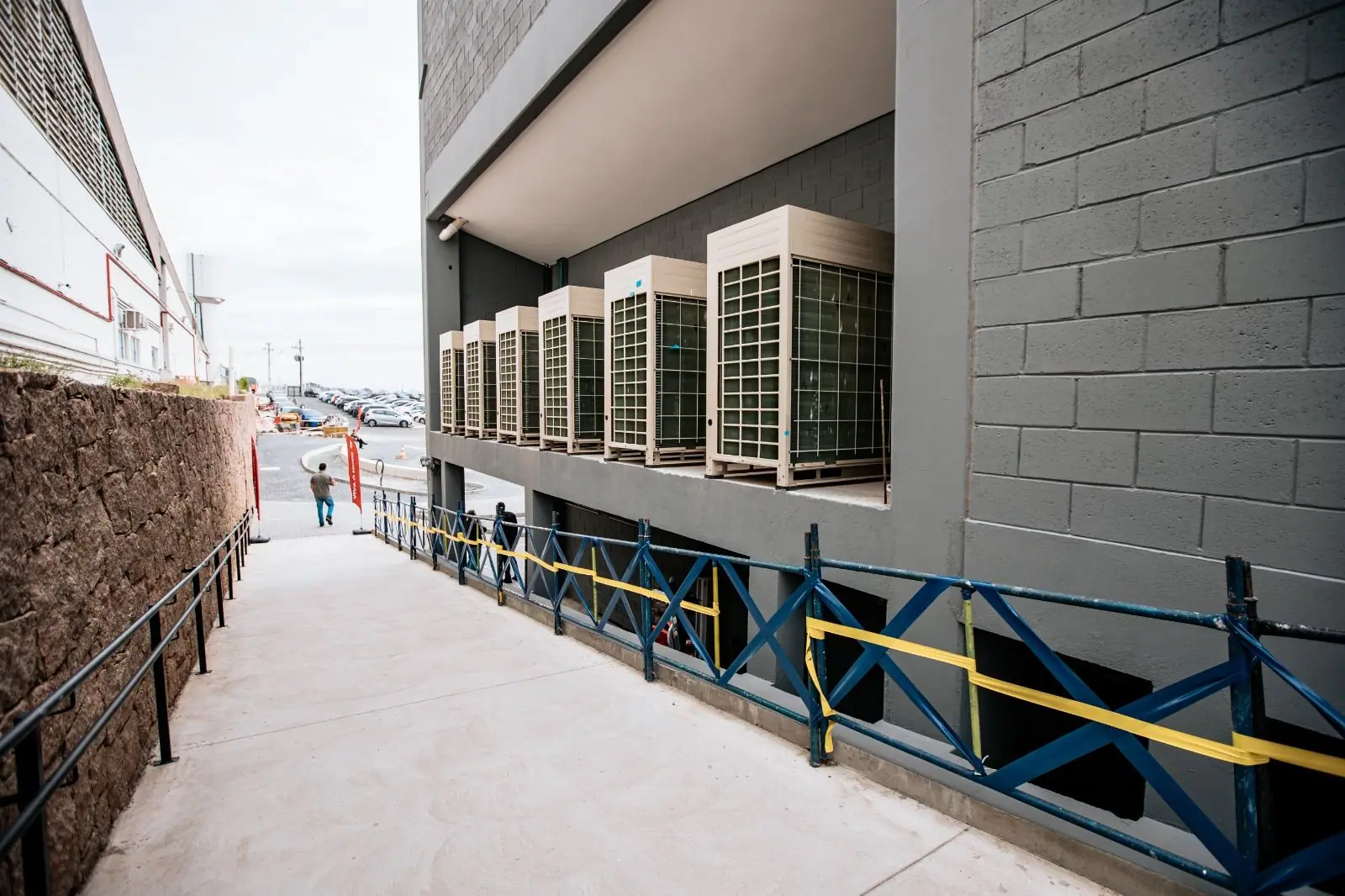
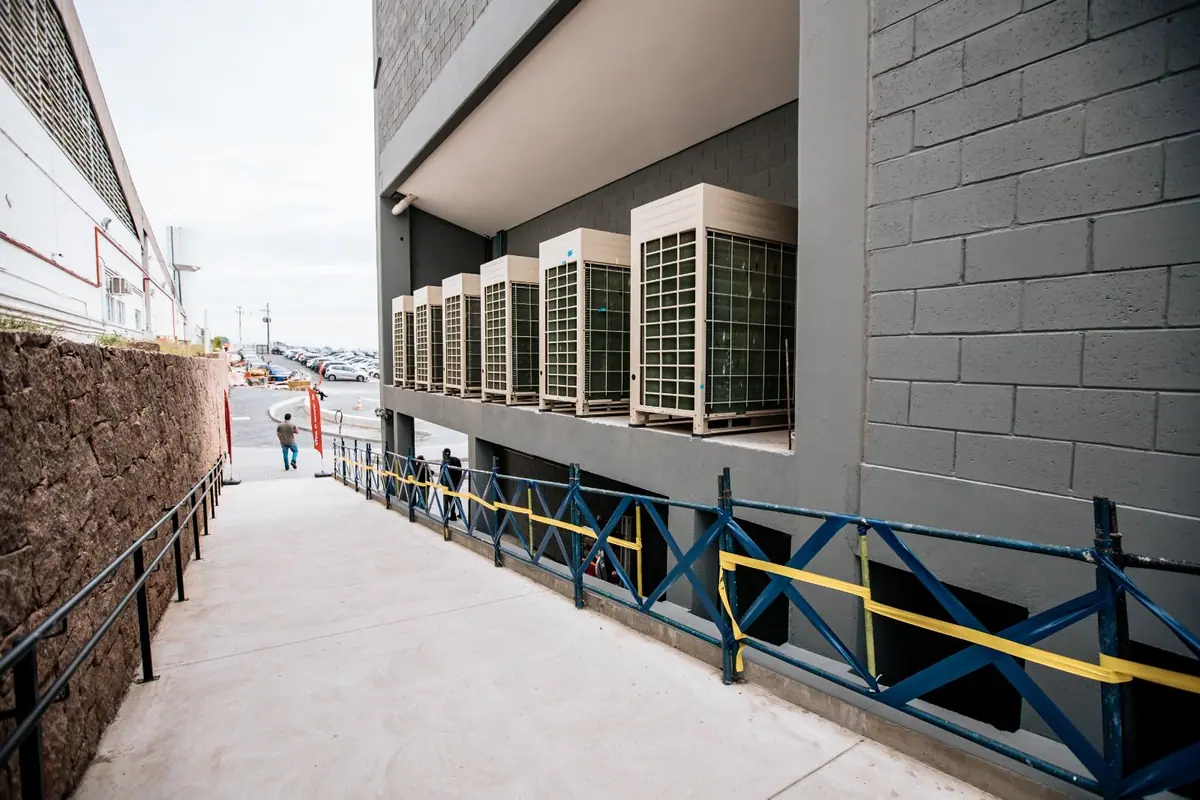
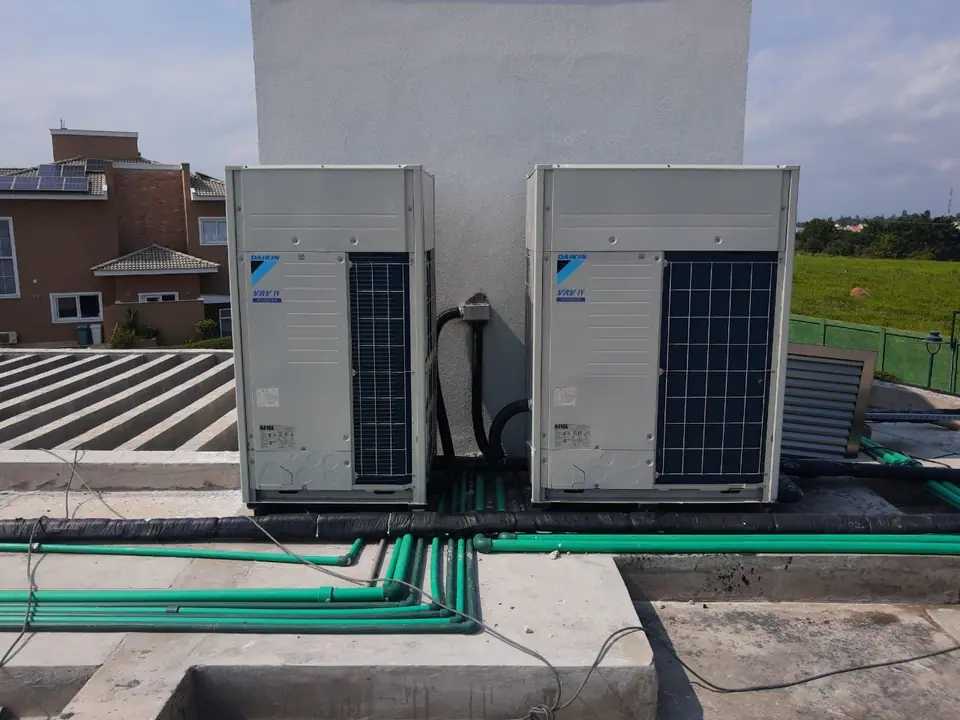
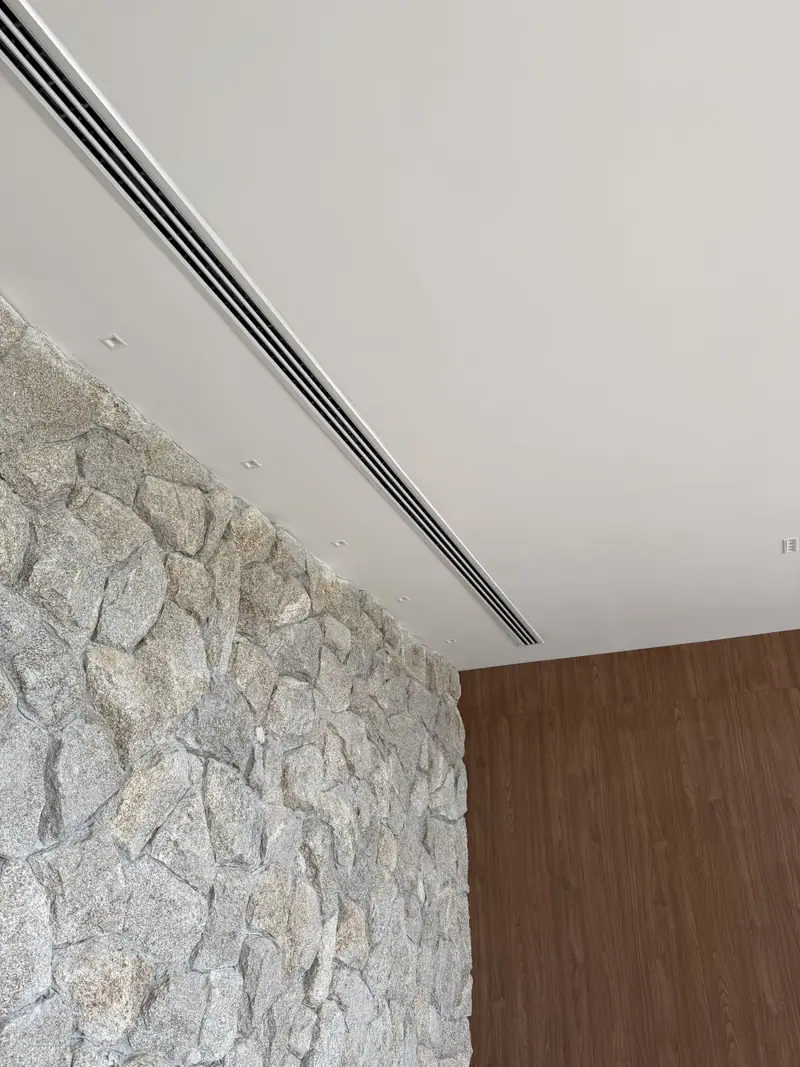
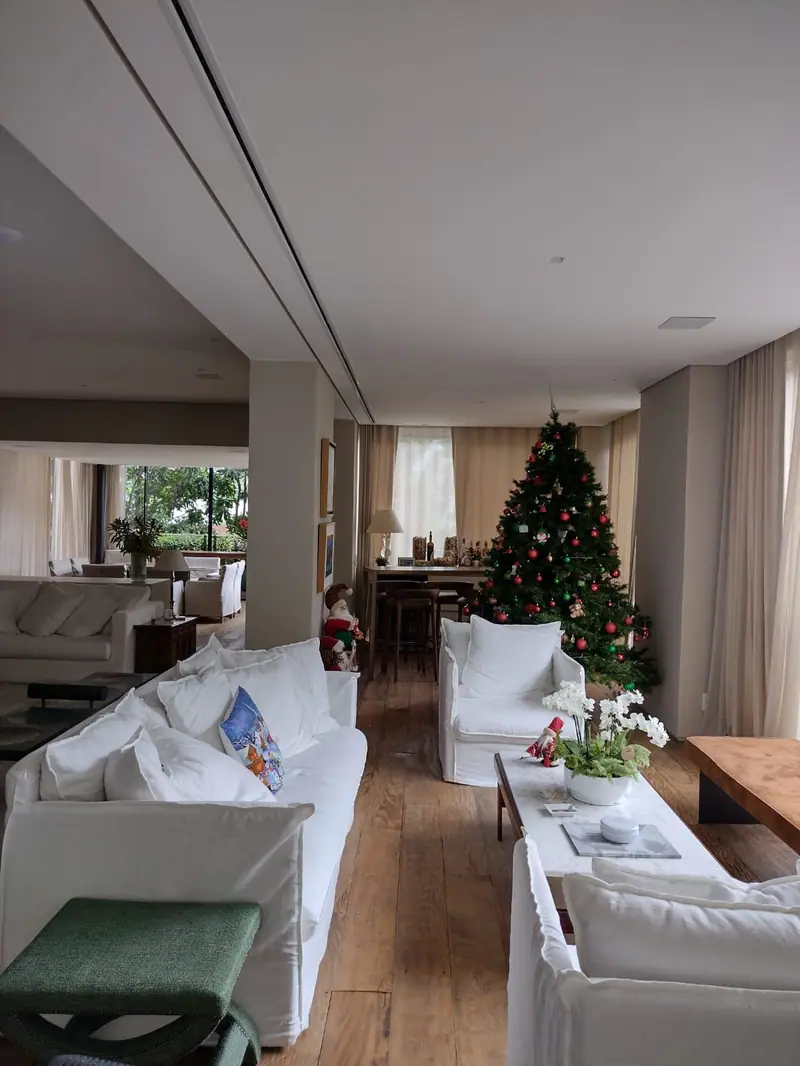
VRF / VRV equipment and integration.
Questions
VRF / VRV systems: common questions.
What is a VRF / VRV system?
VRF stands for variable refrigerant flow. In a VRF system, one outdoor unit serves multiple indoor units through refrigerant piping, and the system varies the refrigerant delivered to each indoor unit according to demand. VRV is the name some manufacturers use for the same type of system.
Is VRF / VRV the best system for every project?
No. It suits some projects very well, such as buildings with many zones that are used differently. A simple single-zone space may be served just as well by a conventional system. We recommend based on the building and how it is used, not on a default.
Are VRF / VRV systems and inverter systems the same thing?
No. VRF / VRV describes how a system is configured: one outdoor unit serving multiple indoor units. Inverter describes variable-speed compressor technology. They are different topics, and we evaluate each on its own merits.
Can VRF / VRV be used in homes?
Yes, in suitable projects, especially high-end and custom homes with many zones and architectural priorities. It is one option we consider, not a requirement.
Does VRF / VRV save energy?
It can offer efficiency advantages in some projects, particularly where demand varies from zone to zone. Actual results depend on the design, equipment, installation, climate and how the building is used, and we do not promise specific savings.
What areas do you serve?
We are based in Lake Nona and serve Orlando & Central Florida.
Keep exploring
Related pages
Contact
Let’s talk about your VRF / VRV project.
AC Solution USA · Lake Nona / Orlando, Florida. Serving Orlando & Central Florida. Describe the building or home and what you want from the system, and we will follow up.
- Languages
- English • Português • Español
- Lake Nona Meeting Location
- 6900 Tavistock Lakes Blvd, Suite 400
Orlando, FL 32827 View on Google (opens in a new tab)